October 05, 2026
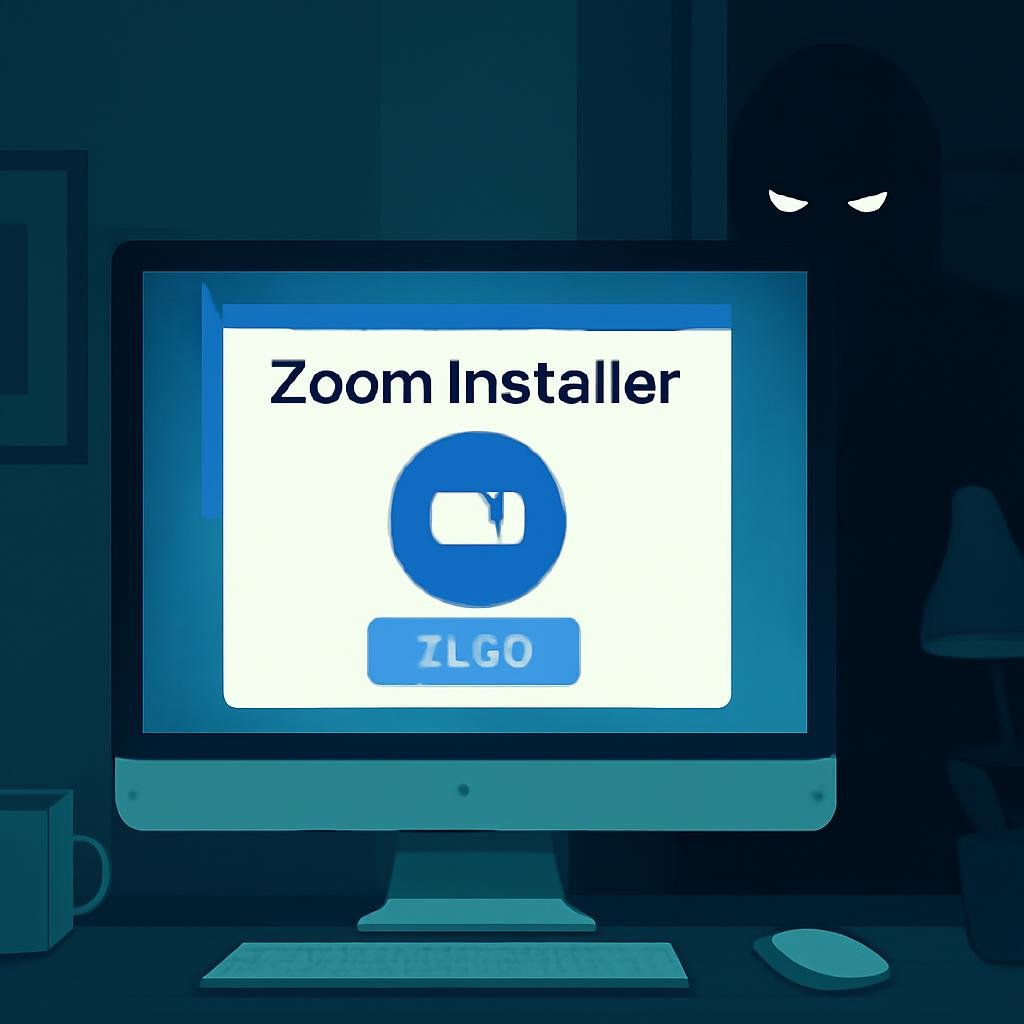
Apple users, beware! The latest tragedy in dodging malware comes courtesy of some lovely fake Zoom installers. Forget Zoom’s potential glitches; this time, they’re delivering a spicy little backdoor called CloudSyncD, which is basically the overachiever of the malware world—capable of reconnaissance, command-and-control communication, and, of course, payload delivery.
Jamf Threat Labs, the unsung heroes of the cyber world, first caught wind of this malware monster back in mid-September. By then, it had already graduated from its awkward development phase to a fully operational backdoor with a knack for charm and deception.
Here's how the scam works:
- You download a disk image that’s pretending to be the Zoom installer. Surprise! It’s not.
- Once you open the package, you're treated to a delightful faux volume named “Zoom,” complete with all the familiar bells and whistles that scream, “Trust me, I’m legit!”
- The fake installer prompts you for a password—how quaint! This little trick helps it bypass macOS’s Gatekeeper, letting the malware waltz right into your system like it owns the place.
While you’re busy entering your credentials, CloudSyncD doesn’t send them off immediately to the bad guys. Nah, it’s cleverer than that. It tucks those passwords away in a fake config file, conveniently encoded and decorated with zero-width Unicode characters, because why not complicate things?
Once it’s done being stealthy, it plays the long game. The malware runs under the radar, establishing a cozy little communication line with the attackers. Think of it like a secret pen pal, waiting to fetch additional malware or tools, ready to execute its next move quietly.
And just when you thought it couldn’t get any better, the malware maintains a nifty working directory and encrypted logs, so it’s not leaving a mess behind. It checks in every 8–16 seconds, sending back a hardware identifier. So if you ever wanted to feel watched, there you go.
CloudSyncD isn’t your garden-variety info-stealer, though. Instead of sending your juicy secrets directly to the attackers, it prefers to use your password locally to elevate its privileges—because why share when you can take over the whole castle yourself?
In a fun twist, multiple versions of this malware have been spotted communicating with two live domains, both registered back in 2011. They’re so old-school, they probably remember dial-up!
As of now, these domains are still cruising under the radar and haven’t been flagged by any security services. But researchers have noticed some technical similarities among them—think identical string-obfuscation schemes and a shared C2 encryption key. It’s like they’re in a malware family reunion!
So, next time you think about downloading a “trustworthy” app, remember: not everything that looks like Zoom is ready to help you host the next big meeting—it might just be the uninvited guest crashing your Mac.